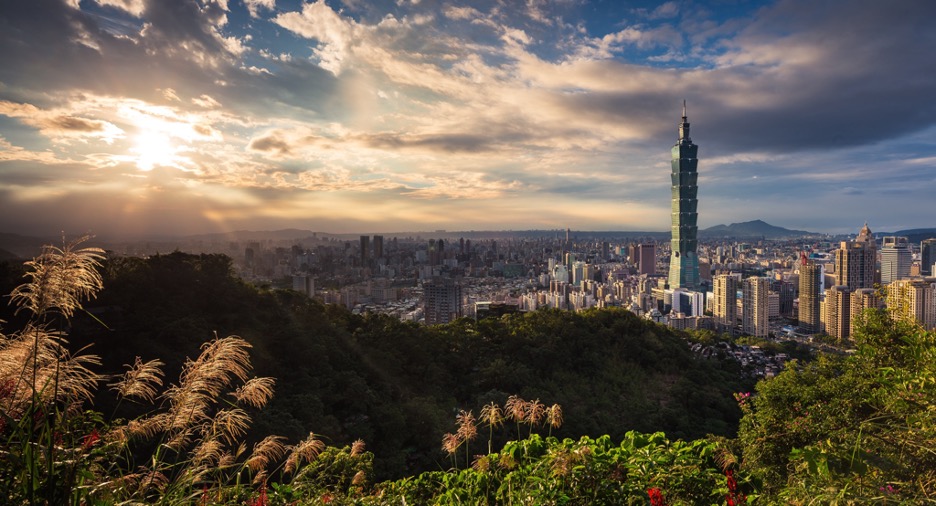
The bustling capital of Taiwan will surprise you with its complex history, jaw-dropping architecture and art, century-old temples, and of course, its love for food!
Throughout this article, we will get to know Taipei a little more and find out why it should be our next travel destination.
Best Time to visit Taipei
located in the subtropical part of Taiwan, Taipei with mild yet unpredictable weather, doesn’t have four distinguished seasons. The temperature at its lowest is around 12-15 Celsius degrees in winter, and its highest is around 30 C in summer.
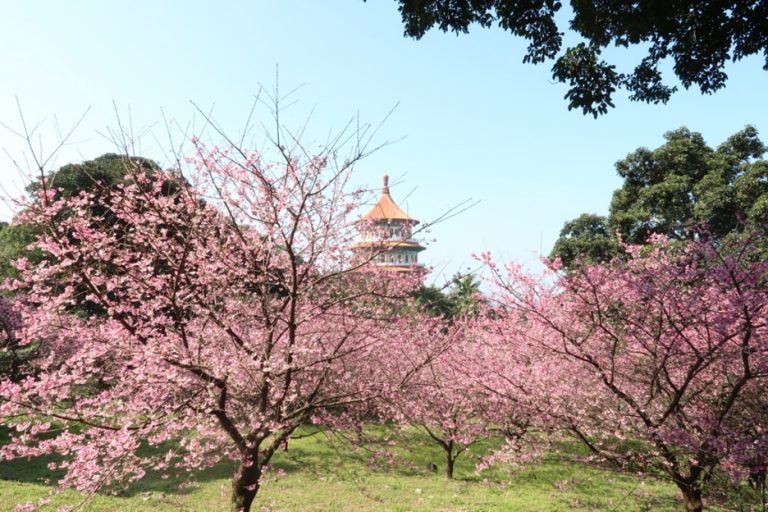
Taipei’s summer (June to August) might be a little less pleasant for travelers since it can get too hot and humid, and is also the height of the tropical typhoon season (which ends in October) and can cause flooding in some areas. However, if you’re planning a budget trip you can usually find best discounts for this period. On the other hand, October to March has the best weather with less rain and pollution, and you might be able to catch the cherry blossoms in early spring. Just keep in mind it is better to avoid the Chinese new year (usually late January or early February), since many restaurants and attractions are closed during the holidays.
How to Get From Airport to Taipei City Center

Finding your way around a new city and getting familiar with its public transport could be a little stressful, especially if you just had a long tiresome flight. Fortunately, getting around Taipei is quite accessible since most attractions are within a short distance of a bus or an MRT (Taipei’s Metro) station. Getting from Taipei’s airports to the city center is no exception.
Taipei has two airports: Taiwan Taoyuan International Airport (TPE) and Taipei Songshan Airport.
We will discuss all of your options for a comfortable transfer between both airports and the city center in detail in the following paragraphs.
How to Get From Taoyuan International Airport (TPE) to the City Center

Taoyuan Airport, Formerly known as Chiang Kai Shek International Airport (CKS), is Taiwan’s largest and busiest airport. Within 30 km west of the city, It is the place where most of the international flights operate. The airport to city trip is relatively easy. Be aware that not all options are available 24 hours!
MRT (Metro Taipei)
The first metro system in Taiwan, Taipei Mass Rapid Transit (MRT), is one of the most efficient and reliable ways to get around the city. It has a vast network throughout Taipei and new Taipei, including a specific purple line from Taoyuan airport to Taipei city center. Two airport trains run 6 AM to 11:30 PM, every 15 minutes, from the airport to the city: an express one and a commuter with more stops. Express service will take between 35 to 38 minutes from Terminal 1 and Terminal 2 to the Taipei Main Station (on the red and blue line intersections). Even if you take the commuter train, the trip only takes 50 minutes.
Where to get the tickets and how much do they cost?
You can get the airport MRT tickets starting from NT $150 (around 5.5 USD) for a single journey ticket from the Taoyuan Metro website or their ticket booths at the airport. Keep in mind that these tickets are only usable for the purple line. For traveling around the city, you’ll need to purchase another ticket or pass from the Taipei Metro website or their vendors, who offer a variety of tickets and passes from one-ways to daily and the famous Fun passes, which based on their type, can include MRT and Buses fares, and entry tickets to some attractions for a specific duration.
Bus
Buses can be the most economical option, with lots of drop-off points, which sometimes make using them tricky for tourists. The 1819 and 1961 buses are two of your best shots to reach near the MRT main station in the city center. The No. 1819 Kuo Kang Bus is one of the only choices if you arrive in Taipei between midnight and 6 AM. This bus operates 24 hours every 10-20 minutes and costs around NT $130 (around 5 USD). In addition, the 1961 bus will get you near the City Hall and Taipei 101 until 1 AM. To find the most suitable bus for you and the updated routes, fares, and hours, check the Taiwan Bus website.
Taxi and Uber
The easiest way for the airport to city route is using a taxi or getting an Uber, especially if you have heavy luggage or arrive late at night. It is also the more expensive choice, as the 45 minutes ride costs NT $1000-1200 (36-43 USD), which during the night can increase to NT$1500-2000 (54-72 USD). If you’re arriving within two days of Chinese New Year, expect the night fares and an additional gratuity fee for daily trips and double that for nights!
Uber is also available in Taoyuan airport with generally around 20% cheaper fare.
How to get from Songshan Airport to the city center
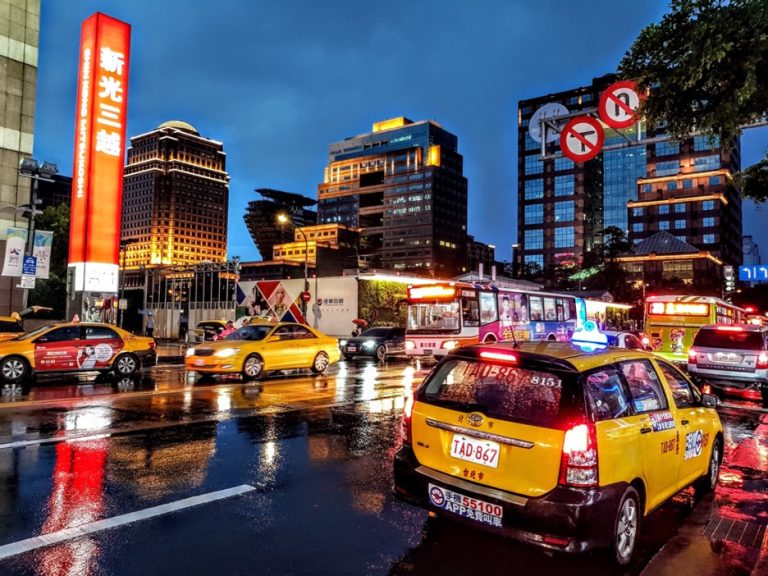
If you tell a taxi driver to drive you to Taipei’s airport, they will get you here, the Songshan airport. This is a mid-size airport primarily serving domestic routes and a few international ones, including China, Japan, and South Korea. The airport is in the city and 5 km from Taipei’s Main Station, having many transportation options available in the airport and nearby it.
MRT
Getting around the city from Songshan airport is very convenient by using MRT. You just have to get on a train at Songshan Airport Station on the Wenhu line (the brown line from Exhibition Center to Taipei Zoo). To reach the Main station, change trains at the intersection with the blue line (Zhongxiao Fuxing station), and you’ll be there in 20 minutes. Here is the Taipei Metro map to help you find your way in the city.
In contrast with Taoyuan airport, to travel around the city from Songshan, you’ll need to get your tickets from Taipei Metro. If you get a pass from there, you can travel within any MRT line except Taoyuan airport. The MRT fare between Songshan and Main station starts at NT $25 (1 USD), making it the best option, considering the distance and its convenience compared to the other transportations in this route.
Bus, Taxi, and Uber
Although buses are more budget-friendly, they are usually not very convenient for a trip between Songshan airport and Main station, especially if you carry heavy baggage. The 20 minutes MRT ride takes around one hour and usually includes changing buses and lots of walking. The cost may vary based on the destination but is generally around NT$ 15-30 (0.5-1.1 USD).
Alternatively, the easiest but most expensive option is taking a taxi for NT $200 (7 USD) or an Uber with 10-20% cheaper fare.
Best Things to do in Taipei
6000 years ago, Ketagalan, farmers from southeast China, settled down on an island we now know as Taiwan. Since then, Taiwan experienced a complex journey under many rulers like the Chinese Qing Dynasty and Japanese emperor, was involved in World War II and many civil wars, and finally was named the Republic of China by its current government.
It’s safe to say Taipei City, the political, economic, cultural, and educational hub of Taiwan, has gone through a lot in the past centuries. You’ll be able to see a trace of many eras and cultures in its sacred temples and numerous museums, and hopefully, with the help of a local friend, you can understand its history better.
Now let’s explore Taipei’s most known attractions!
Chiang Kai-Shek Memorial Hall

This dramatic white marble architecture was built in memory of Chiang Kai-Shek, a former president of Taiwan. Following a civil war between the government of the Republic of China and the Chinese Communist Party, Generalissimo Chiang and his followers retreated to Taiwan island and declared it the new Republic of China. Nearly three decades later, after Chiang’s death, this memorial hall and his monument were built in a 250,000 square meter park in the heart of Taipei. The white building with its blue glass roof and red flower-filled gardens conveys Taiwan’s national flag and its message of freedom, equality, and brotherhood. The two beautiful traditional-style buildings with yellow roofs on both sides of the hall are the national theater and concert halls (NTCH), which host many cultural and artistic events all year round. Touring The Chiang Memorial Hall and its museum helps you better understand Taiwan’s history and relations with China.
One of the highlights of visiting this memorial hall is the 15 minutes guard changing ceremony, starting at the beginning of every hour until 5pm. To get a better view we highly recommend planning your arrival on the ceremony site 15 minutes before it starts.
The hall is open 9am-6pm, except on national holidays like Chinese New Year’s Eve and day. It has a very convenient location, and you can easily reach there by getting off at MRT’s Kai-Shek (CKS) Memorial Hall station at one of the red and green lines’ intersections. For more information about this famous Taiwanese landmark, check their official website.
Hike up the Elephant Mountain
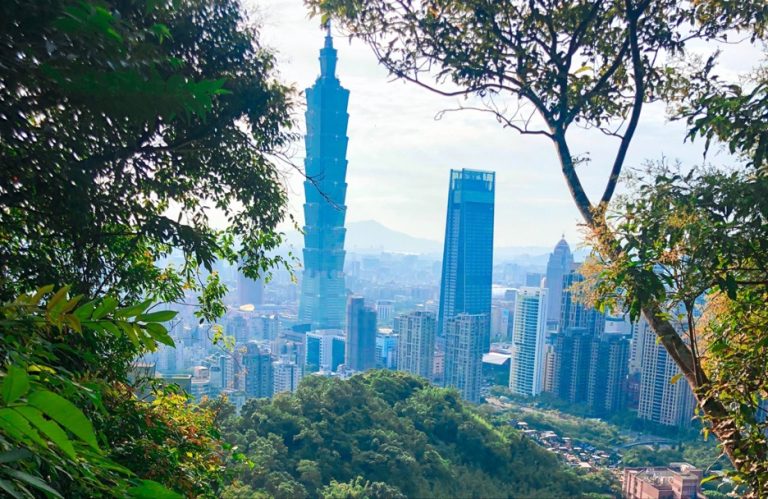
Our next adventure in Taipei is an easy hike some call the most “Instagrammable” place of Taipei, in the busy district of Xinyi. In 30 minutes, you’ll reach the top of Xiangshan or Mount Elephant, where you’ll have the best panorama view of Taipei. the hiking trail is well signed and has many resting areas with sits, along with three photo stops:
Photographer Platform: After 10 minutes of hiking with a mesmerizing view of the cityscape
The Six Giant Rocks: On top of these rocks, you’ll have a great view of the surrounding neighborhood, Xinyi district, and Taipei 101.
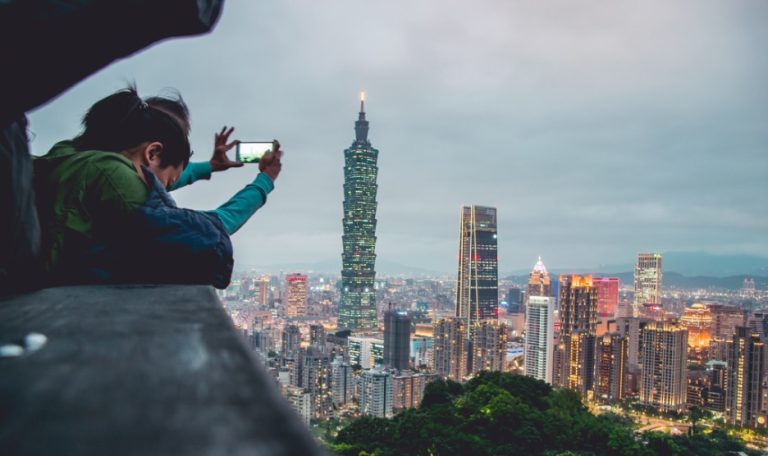
Visiting Elephant Mountain is one of the top three tourists’ favorite things to do in Taipei. The best time to do this hike, which is popular during sunset and sunrise, is during the week when it’s less crowded.
Taipei 101
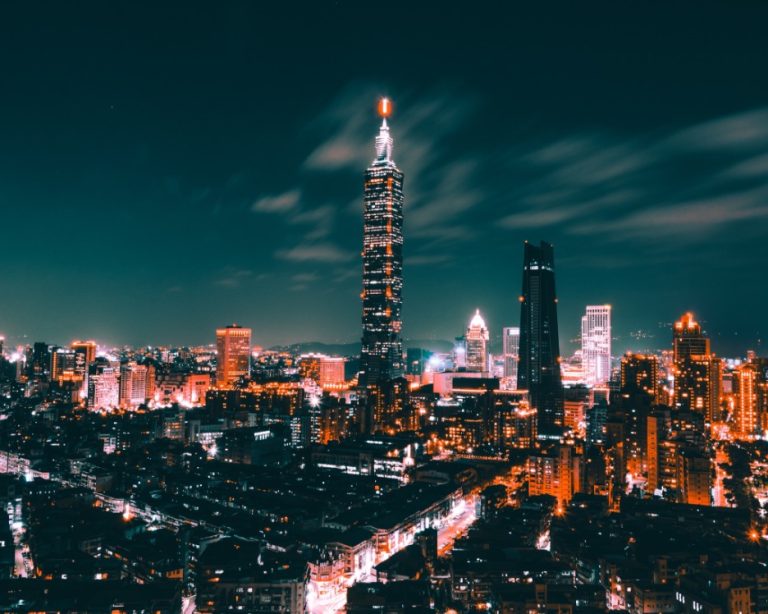
After a nice hike up the elephant mountain, you may be hungry and fancy some tasty Taiwanese food. That’s why our next destination is the world’s first skyscraper exceeding a height of half a kilometer to try the famous Din Tai Fung and enjoy Taipei from the 89th floor.
Taipei 101, at 508m in height, was the world’s tallest building for five years before the completion of Burj Khalifa. Today the first five floors of the building serve as a shopping mall, with 88th and 89th floors being observation decks and an outdoor deck on the 91st floor that hosts concerts and special events on some occasions. On the 101st floor, the last floor of the tower, Summit 101 is a VIP private club for celebrities and politicians. However, if you spend one million Taiwan dollars (36,000 USD) per year in the shopping mall downstairs, you’ll be able to get an invitation!
The observatory tickets are sold on the fifth floor and Taipei 101 website for NT$ 600 (21.5 USD) and NT $3000 (100 USD), including the observatory on the last floor. No matter where you are, the MRT red line takes you to Taipei 101 station, although if you’re visiting after the elephant mountain hike, it’s just a 30-minutes walk.
Visit Temples
Longshan Temple
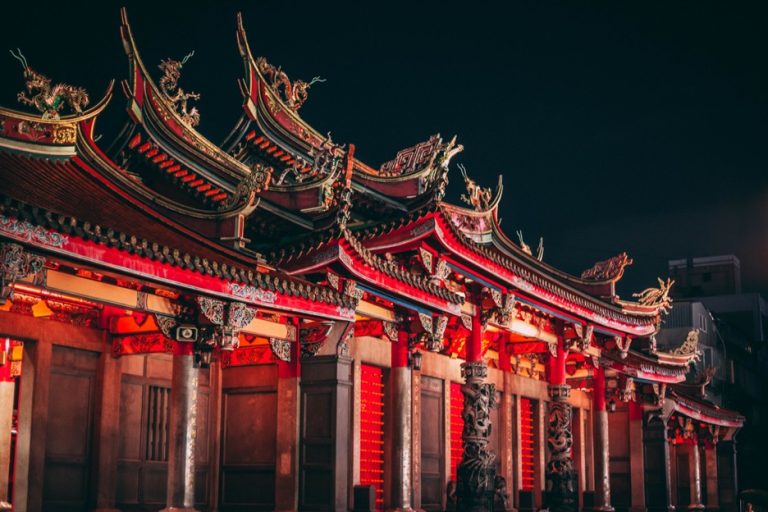
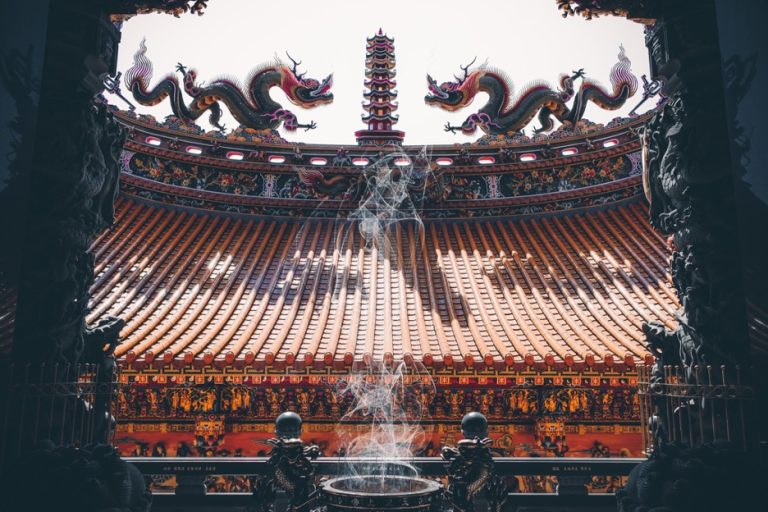
The oldest district in Taipei, Wanhua (also known as Bangka or Monka), houses one of the oldest temples in the city for nearly 300 years. In honor of Guanyin, the goddess of mercy, Chinese settlers built this temple as a branch of their beloved ancient Longshan temple in Fujian, in the 18th century. Nowadays, many locals gather here to worship tens of gods and goddesses, including Yue Lao, the god of marriage, and Mazu, the goddess of the sea. The Longshan temple is considered one of Taipei’s most significant worship places, along with Dalongdong Bao and Qingshui temples. It is especially bustling during the Chinese New Year or local festivals such as ghost month or moon festival. If you want to have a unique experience, try catching the beautiful one-hour Buddhist chanting ceremony every morning at 6 or 8 am.
The Bangka Longshan Temple has been destroyed multiple times due to earthquakes, fires, and most recently during World War II. Hence the current building dates back to the reconstruction of 1919 and after the world war.
The temple is usually open 6am-10pm, even on special eves and holidays when it’s very crowded. It is also conveniently located near the MRT’s Longshan Temple station on the Blue line.
Since the temple is in the heart of an old district, you can visit other interesting attractions within walking distance. Just around the corner, the fascinating Herb Lane, a small alley full of vendors selling traditional medical herbs and potions and pills, will take you back in time. Stroll around, take in the refreshing smell of herbs, even try some herbal tea like Roselle on Xichang st. But make sure to not schedule your visit on weekends when most vendors are enjoying their day-offs! Since most vendors in this area don’t speak English, by touring this area with a local, you’ll be able to learn more about these ancient remedies and try or buy suitable ones for yourself. Within a 10-minute walk from the herb alley, you’ll reach Qinqshan, a small but very important temple to Taipei people, and Qingshui temple.
Taipei Confucius and Dalongdong Bao’an Temples
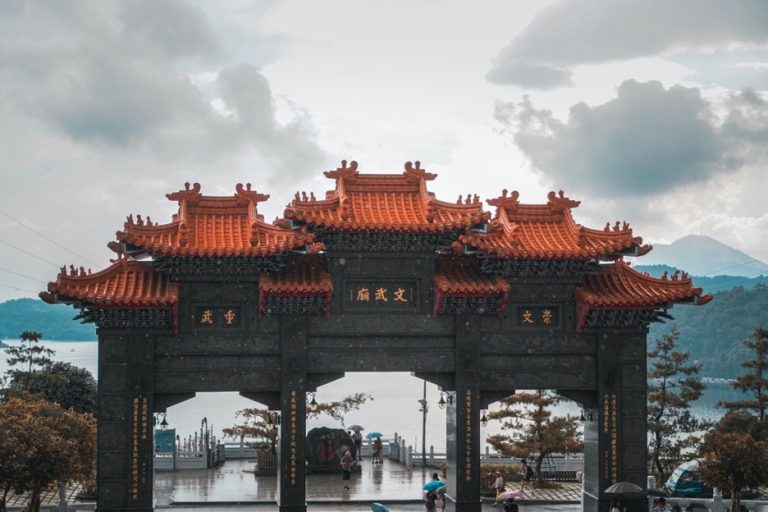
More than 200 years ago, a group of Fujian immigrants from Tongan (a district in Fujian, mainland China) built this temple, where a wooden shrine already existed, and named it “Po-an” to protect those of Tongan. The meticulousness of the Bao’an temple architecture and design will surely amaze you. However, a significant highlight of the building is the 7 murals in the main hall, narrating Chinese tales and historical events, which your Lokafyer will tell you all about on your tour.
The Dalangdong temple is in the Datong District, a place known for its Japanese period buildings, the Dihua street market during the Chinese New Year holiday, and many of Taipei’s famous landmarks such as the Museum of Contemporary Art or the Confucius Temple. The Taipei Confucius Temple is one of many temples in Taiwan and China devoted to Confucius, a Chinese philosopher, and politician. The temple is usually less crowded than religious temples and has a different design to it. While visiting, you’ll probably notice some students with their families praying and seeking good fortune for their exams! If you’re visiting Taipei in late September, don’t miss the annual ceremony with traditional music and dances in honor of Confucius, which happens on September 28th.
To get to Confucius and Dalongdon, you need to take the MRT’s red line to Yuanshan station, a short walk first to Confucius and then to the Bao’an temple. If you’re traveling there from Taipei Main station, it will only take you 16 minutes to get to either temple.
Visit Museums
National Palace Museum
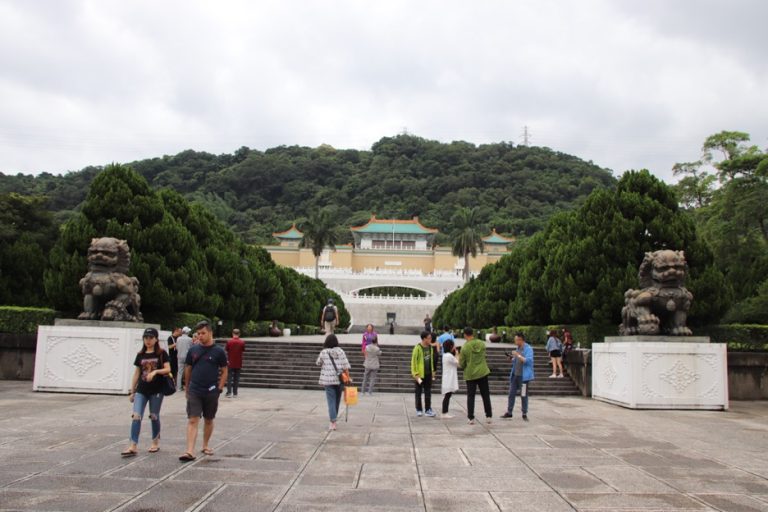
The National Palace Museum houses one of the world’s largest and finest Chinese art and cultural collections, portraying Chinese rich history from the stone age to the modern days. It was initially built 100 years ago in Beijing’s Forbidden City. Throughout its history, many important pieces, including hundreds of thousands of invaluable artifacts and artworks gathered by former emperors, were relocated a couple of times to ensure their safety by order of Chiang Kai-Shek. Once was during World War II, when the Japanese army was advancing, and once around 75 years ago, as the Chinese civil war got heated and the Nationalists planned to flee to Taiwan. During this process, the communist army seized control of the Beijing Palace Museum and prevented the relocating from being completed. However, the pieces transported to Taipei were still among the most valuable treasures.
The current building of the National Palace Museum (built in 1965) in Taipei’s Shilin District exhibits more than 700,000 metalworks, ceramics, paintings, rare books and documents, and many other forms of arts over 4 floors and two exhibit halls. To prevent any damage and wear out, the exhibiting items rotate regularly, and only a part of the museum’s collection is displayed at one time.
The museum operates 9am-5pm every day except Mondays, with an admission fee of Nt $350 (12.5 USD).
To reach there, take the Tamsui-Xinyi (Red) Line to Shilin Station, and get on a bus (like R30,815, or M1) towards the east to the National Palace Museum. You can also pay a visit to the Shilin night market after visiting the museum.
For more information regarding group tickets and operation days/hours, check the National Palace Museum website.
Taipei Fine Arts Museum

The Taipei Fine Arts, originally built at a former US defense command in 1983, is Taiwan’s first contemporary art museum and a part of Taipei Expo Park. Its mission is to promote Chinese and international approaches to art with an emphasis on Taiwanese identity. Therefore, many local and international art and cultural events are held in this museum every year.
Since many of calligraphies and arts are in Chinese, to enjoy the Taipei Fine Arts museum, we strongly recommend visiting it with a lokafayer and learning the stories behind the building and its collections.
After the museum you can enjoy some of the other Taipei Expo facilities like the children’s recreation center or a 200-year-old traditional farming family house at the Binjiang park, Lin An Tai Historical House & Museum.
Fine Arts museum, ticket fees, operating hours and how to get there?
To reach the museum in the Zhongshan District, take the Tamsui-Xinyi(Red) line to Yuanshan station. From there, it’s a 10 to 15-minute walk to reach the museum and from there another 12 minutes to the Lin An Tai Historical House & Museum.
The museum is open Thursday to Friday, 9:30 am-5:30 pm, and on Saturdays until 8pm with a free admission fee after 5 pm. The Fine Arts Museum tickets are NT $ 30 (1,1 USD) for adults and half the price for Students (+18). On the other hand, the Lin An Tai House is open from 9am-5pm every day and is free to visit.
Learn more about Taipei Fine Art museum and Lin An Tai Historical House & Museum, on their official website.
Miniature Museum of Taiwan

You will feel like a giant upon stepping inside this fascinating museum full of miniature figures and accessories. The story of this huge dollhouse began in the 1990s when Mr. Lin Wen-ren and his wife discovered miniature art while traveling around the world and buying tiny houses and toys for their children. They started planning for the first miniature museum of Asia in 1993, collecting each item from Europe and the United States, and 4 years later, they finally opened it. Today with nearly 200 items, the Miniature Museum of Taiwan is among the largest miniature collections in the world.
This museum is also in Zhongshan District, but it’s not within walking distance from the other museums we discussed. To get there, take the Songshan-Xindian (Green) line to Beimen station.
The museum is open every day, 10am-6pm, except on Mondays, and the ticket fees are around NT $ 200 (7 USD) for adults and NT $ 120 (4 USD) for Children. For further information, visit the Miniature Museum of Taiwan website.
Stroll around Taipei Botanical Garden

A few minutes from Chiang kai-Shek memorial hall, the 100-year-old garden was officially established as Taipei Botanical Garden and an influential research center for studying over 1000 plant species during the Japanese rule. The garden included species from Japan, Taiwan, China, and other parts of Asia. However, they all got destroyed during World War II, and the area became deserted.
Nowadays, with more than 1500 species, 17 districts, and its many ponds, Taipei Botanical Garden is loved by tourists for its magnificent lotus gardens during the bloom season in spring and summer, and by locals for its peace and quiet. You can also visit some historical buildings, such as the former Taiwan administration building, or an imperial guest house, around the Garden.
The Taipei Botanical Garden is open every day all year round, from early morning to afternoon, with no admission fee. Getting there is relatively easy. From Chiang Kai-Shek Memorial Hall, it’s only a 15 to 20-minute walk. If you want to use MRT, you just need to take the Tamsui-Xinyi (Red) line to Chiang Kai-Shek Memorial Hall station and do a 10-minute walk, or take the Songshan-Xindian (Green) line to Xiaonanmen station and walk for 5 minutes to the gardens.
Taipei's Best Festivals and Events
Chinese New Year
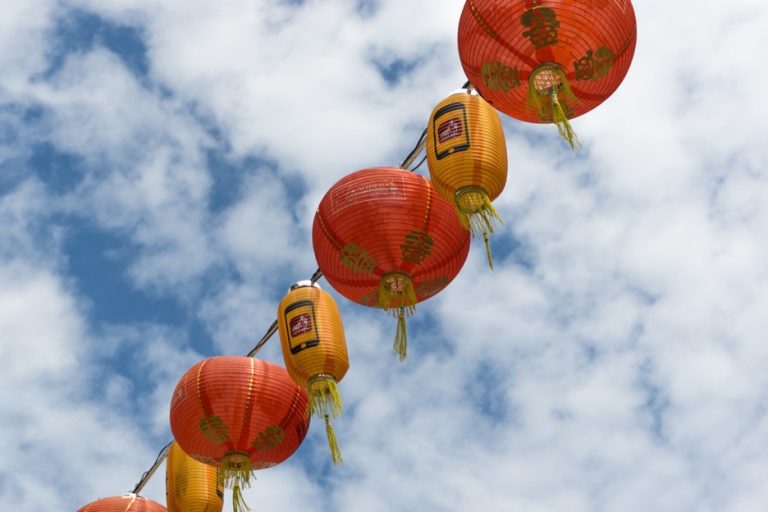
Every year sometime between January and February, the Taiwanese celebrate their most important festival, The Chinese New Year or the Spring Festival. Locals celebrate the new lunar year by visiting their families, enjoying their ethnic foods and drinks, and praying at their local temples. The holidays officially last for four days for locals, but what does it mean for travelers?
Although this is an excellent time to witness some Taiwanese traditions, and the weather is the best for enjoying the hot springs (that we’ll discuss later), the hotels are usually full because of local travelers, and the costs are usually higher for accommodations and transportation. In addition, most attractions and even restaurants are closed, specifically on the first two days. You can still enjoy visiting temples, Taipei 101, or the elephant mountain hike.
Taiwanese Lantern Festival
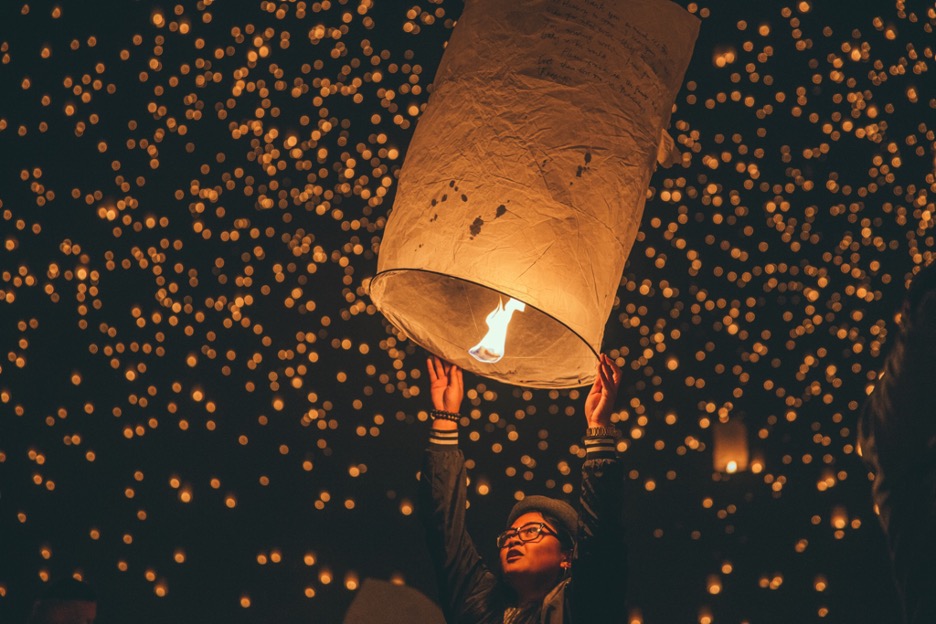
Centuries ago, after the last harvest of the year, remote Taiwanese villagers would hide in the mountains to protect themselves from bandits. When the winter passed, those left behind in the villages would light up lanterns and release them to signal others it was safe to return.
Nowadays, on the 15th day of the first lunar month, people around Taiwan write their wishes on colorful lanterns, many handcrafted by children, and release them to the sky. The main festival, known as Taiwan Lantern Festival, is held by the tourism bureau of Taiwan in a different city each year. Nevertheless, you can still participate in the festival if you’re in Taipei. Make the 30-minute drive to the charming Pingxi District in New Taipei City and release a lantern with your special wish at their famous International Sky Lantern Festival.
Dragon Boat Festival in Taipei
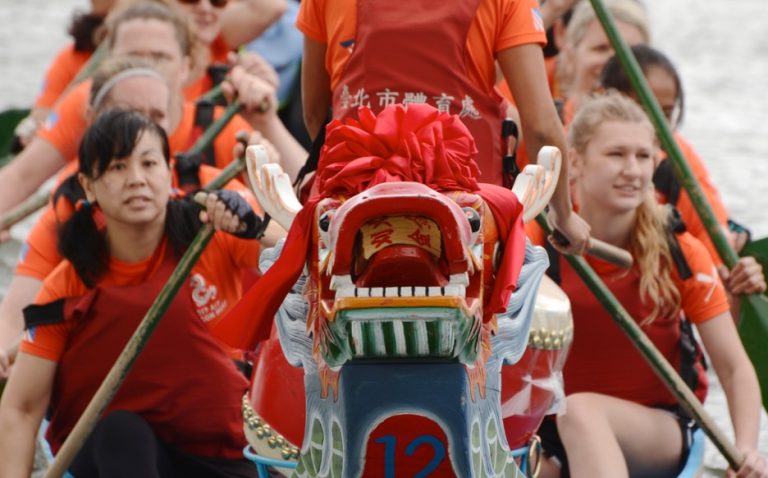
There are about 2000 years of legends and stories around the Double Fifth Festival. Some say the unluckiness of the fifth day of the fifth month in Taiwan made people perform ceremonies to avoid bad luck. Still, the most-known story is about commemorating Qu Yuan, a beloved classical poet who drowned in the Miluo River. They say locals rushed to the river with their boats in the hope of saving him, but as they lost hope to ever find him alive, they started throwing sticky rice balls into the water, so the fishes ate them instead of Qu’s body. Today this story has turned into an exciting tradition. It starts with Taiwanese eating delicious Zongzi (a traditional rice dumpling wrapped in bamboo leaves) and then gathering at Longshan Temple to light a candle, worship the Dragon King and pray to win their upcoming race. Finally, they head to the river, where dragon-shaped boats race fiercely.
Taiwan’s Fulong Sand Sculpture Festival

Every year international and Taiwanese artists bring life to Fulong’s golden sands by creating magnificent sculptures. The finely sculpted illustrations of the world and Taiwan’s monuments will amaze you and make this day trip worth it. The festival is held at Fulong beach in New Taipei City each year on various days and duration. To visit the festival, you need to pay the beach’s NT $100 (3.5 USD) entrance fee, even though some people find it not suitable for swimming. Moreover, the beach has paid parking, but in case you prefer public transit, there is a train to Fulong station at Taipei main train station, about NT $130 (4.5 USD).
Where locals eat the best Taiwanese Dishes
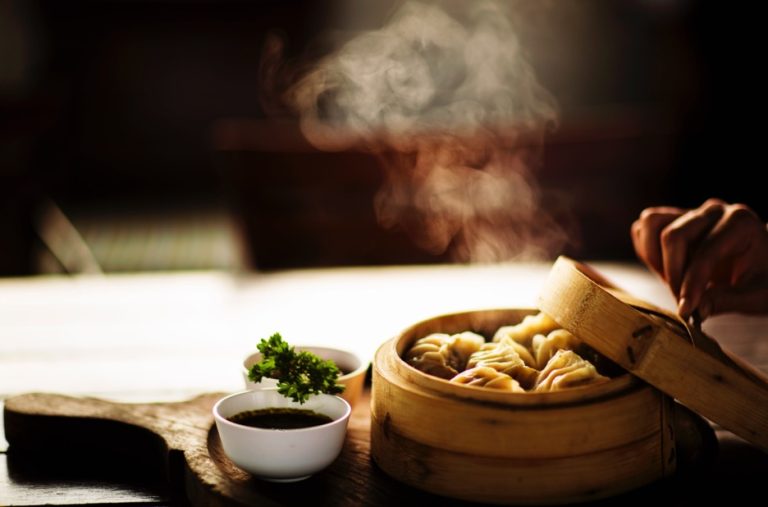
Night Markets
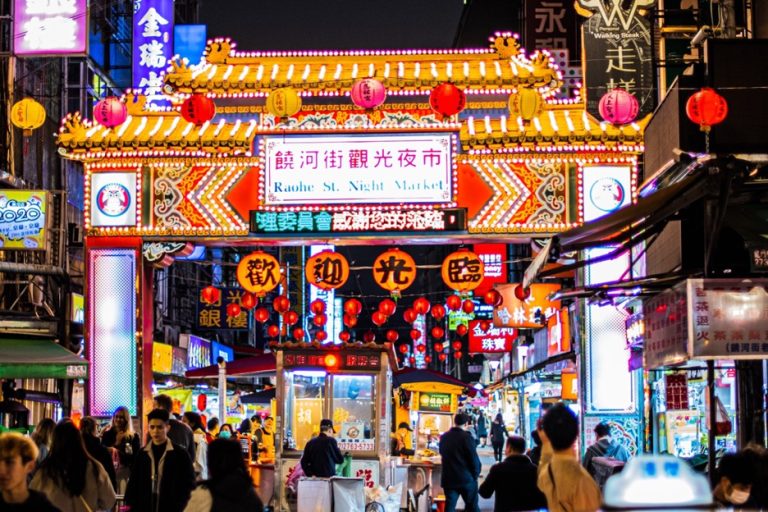
The tempting smells, the wide variety of flavorful food, and the vibrant atmosphere of Taiwanese night markets make them the perfect illustration of the country’s culture. Following is a list of the best street markets to visit between sunset and sunrise and experience an authentic taste of Taipei.
Shilin:
The biggest and most touristy night market in Taipei with more than 500 vendors, a food court, and some excellent food you can’t find anywhere else. It is usually open from 3 pm until midnight and easily accessible from the Jiantan MRT Station. Make sure to try the Pepper pork bun and the huge fried chickens!
Ningxia:
A relatively small market, located downtown Taipei, near the bustling Ximending walking district. Have a memorable gastronomy adventure in Ningxia by trying Oyster omelet, fried taro balls, and the traditional mochi.
Tonghua (Linjiang)
Our most “local” suggestion is just an MRT station away from Taipei 101. The Linjian night market offers many Taiwanese classic dishes. The fried stinky Tofu and Binghuo tangyuan (boiled rice balls filled with peanut butter or sesame paste and served on shaved ice) are among the must-try foods in this night market.
Din Tai Fung

Opened as a small oil retailer on Taipei Xinyi Street in 1958, today Din Tai Fung is a world-known restaurant with more than 100 branches in 14 countries. This one Michelin star franchise specializes in one of the four great traditions of Chinese cuisine, known as Huaiyang, and is famous for its 18-fold paper-thin wrapped Xiaolongbao (a type of Chinese dumplings). While Din Tai Fung has many locations in Taipei, its original branch on Xinyi Street, within a 30-minute walk from the botanical garden or miniature museum, and the Taipei 101 mall branch, are usually the most convenient locations for tourists. Trying Din Tai Fung‘s Xiao Long Bao and their Wontons in spicy red oil is one of Taipei’s must-do experiences, so make sure to make time for it while visiting one of the nearby attractions.
Best Neighbourhoods to Stay in Taipei
Zhongzheng- close to Taipei main station
On the banks of the Tamsui River, the Zhongzheng neighborhood houses most government buildings and many historical and cultural sites such as the Chiang kai-Shek memorial, Botanical Garden, national Taiwan museum, national museum of history, and some local markets.
By now, you have probably notice the importance of Taipei Main Station as you can basically visit any attractions in the city and even outside the city from there. By getting a place in the Zhongzheng area near the Taipei Main station, you can save a lot of time on transportation.
Xinyi - Around Taipei 101
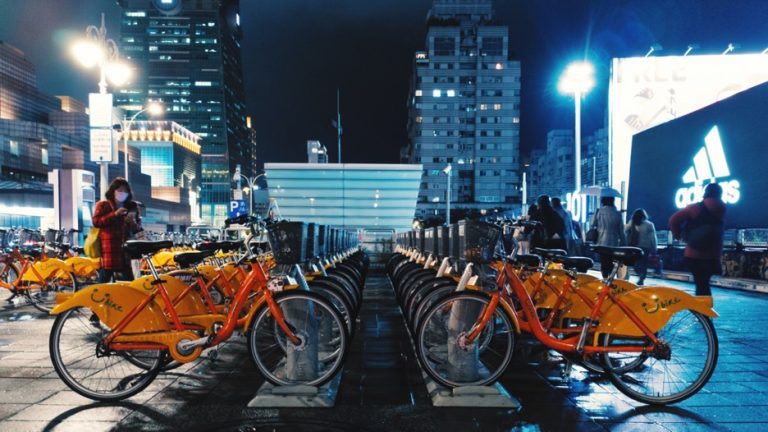
If you’re looking for nightlife and upscale places to stay, around the Taipei 101 and Xinyi district, the modern heart of Taipei, is the perfect place for you. This neighborhood is home to numerous clubs, world-class restaurants, glamorous shopping malls, and even the local Tonghua night market.
Ximending in Wanhua district
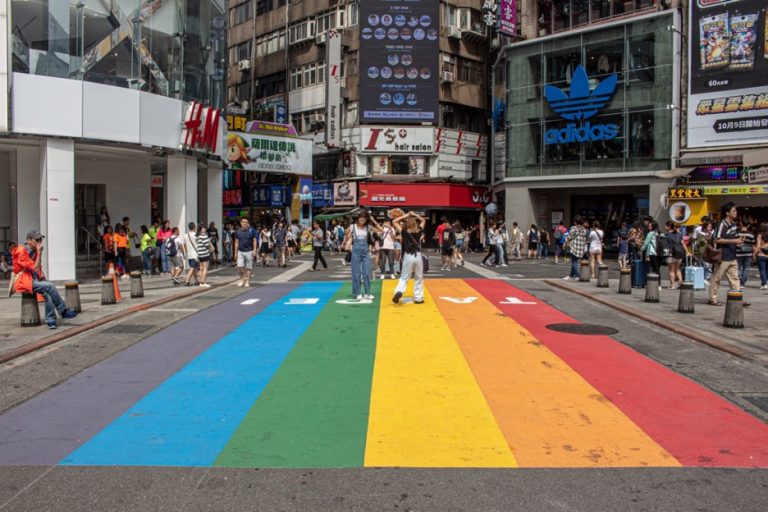
Staying in one of the oldest districts of Taipei means being close to the city’s most iconic attractions. Despite its charming old atmosphere, Wanhua and especially the pedestrian area of the Ximending neighborhood is a vibrant hub for young locals. Even Though the area can be very crowded, it’s the best place to be near places like Longshan Temple or unique shops while being surrounded by many restaurants, bars, and cafes.
Day Trips From Taipei
Relax in a Hot Spring at Beitou or Wulai
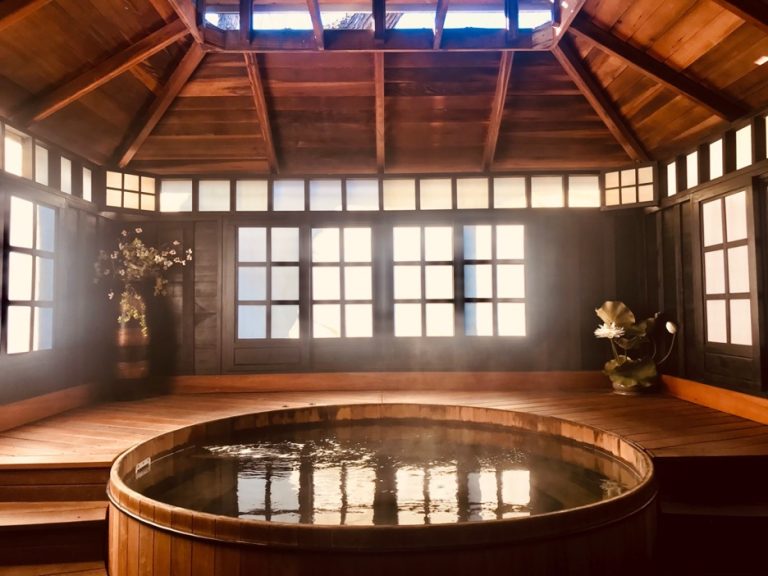
Based on its geological situation between a volcanic system and ocean, Taiwan island has one of the highest concentrations of hot springs globally, in various types and temperatures.
One of the most accessible hot spring areas near Taipei is the Beitou District, 30-40 minutes north of the city. You can dip your fit into the hot spring in some public resorts for free or a little fee of NT $ 40 (1.5 USD), or have a more expensive fancy experience and privacy in countless spa resorts around the area. For a hotter experience, visit Thermal Valley on the foothill of Yangmingshan National Park. This valley is one of the sources of sulfuric hot springs in the area. It is referred to as hell valley by locals because of the extremely high temperature of the water, which can reach 90 Celsius degrees, along with the strong smell of Sulfur. On your trip to the Beitou area, you can also visit other attractions such as Beitou Hot Spring Museum, Guandu Temple, or Beitou Public library.
How to Get to the Beitou Hot Springs?
You can easily take the MRT Tamsui-Xinyi (Red) line to the Shipai station, which takes about 30 minutes from Taipei Main Station, and from there you can walk, take a bus or taxi to your specific location.
Another area known for its hot spring but less touristy than Beitou is Wulai, an indigenous district near Taipei and New Taipei City border. Like Beitou, Wulai is also full of public and private resorts to enjoy the hot springs, although public areas might be restricted due to Covid-19 in both areas. Moreover, strolling around the old street of Wulai, trying its authentic cuisine, and taking a hike to the famous Wulai waterfall and the cable car to the top of the fall, makes Wulai one of tourists’ favorite and memorable day trips for Taipei locals and tourists.
How to Get to Wulai ?
Take the Songshan-Xindian (Green) line to Xindian station and take the 849 bus to Wulai. The whole trip will take about an hour and a half from Taipei Main Station, and the bus passes through a beautiful scenic route.
Tips for Visiting Hot Springs In Taipei, Taiwan:
- There are different types of accommodations in hot springs, including some that don’t allow children in or don’t allow swimsuits. Therefore, before paying any fee, make sure it is what you’re looking for.
- One of the most important issues travelers face during their visit is their Swimwear! You should not wear anything baggy, your swimsuit should be tight, and it should be a one-piece for women. Most resorts require you to wear a swimming hat to their non-private pools. Nevertheless, you can find all these necessities in nearby shops.
- Many public hot springs have specific time slots. For example, if you want to use the 1pm-2pm time slot, you’ll be asked to leave at 2pm, no matter when you enter the pools.
- If you’re visiting with children, private rooms are your best bet. You can usually rent them for around 60-90 minutes.
- Please keep in mind public resorts and pools can be closed during Covid-19.
Jiufen
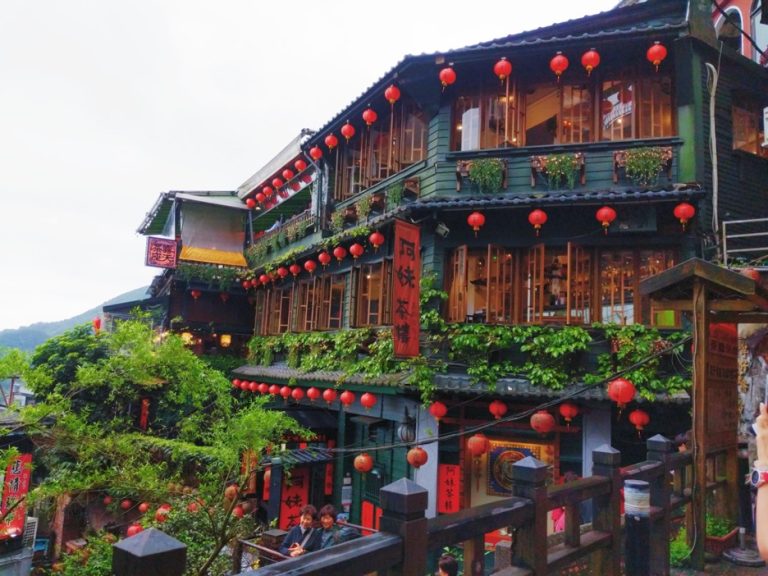
As a Charming little town in the mountains of Ruifang District of New Taipei, Jiufen is a miniature representation of Taiwan, with its rich history, historic buildings, cozy teahouses, and delicious Taiwanese food. Many believe Jiufen’s narrow staircases with red lanterns on both sides inspired the famous Japanese anime, Spirited Away. However, its director denied the connection many times. Despite its fame related to Spirited Away, this former gold mining town offers many interesting adventures, making it a popular day-trip destination for tourists. Start your journey from Jiufen old street, where you can spend hours taking pictures, shopping for souvenirs, trying some sweet potato and taro balls, or just walk and enjoy the atmosphere for 30 minutes to reach the top of the town. One of the most lovable parts of the street is a staircase leading to the 100 years old Shengping Theater, which is now a free museum, and the famous Amei teahouse. Though beautiful, this part of the city is usually very crowded and packed by tourists, so if you want a more local experience, explore streets around the old street, find a tea house to have a Taiwanese tea experience, and take a hike up the teapot mountain. The Jinguashi Gold Ecological Museum exhibiting the old gold mining facilities and the golden waterfall near Jiufen are also worth a visit along a short trip to the beautiful towns of Jinguashi and Shifen.
The fastest yet most expensive way to travel the 40Km distance from Taipei to Jiufen is by taxi, which takes 30 minutes and costs NT $1200-2000 (40-70 USD) depending on the pick-up location and time. Alternatively, you can:
- Take the 965 bus: travels between Banquo and Jinguashi, 80 minutes, costs around NT $90 (3 USD)
- From Taipei Main Station, take any northbound train stopping at Ruifang(Keelung train don’t stop in Ruifang), and take a bus from there to Jiufen, which takes 1-2 hours, costs around NT $50-80 (2-3 USD)
Kenting

Having some of the most beautiful beaches in Taiwan, Kenting National Park is one of the places to unwind and enjoy nature during your visit to Taiwan, surrounded by sea and lush tropical jungle. The white sand Baishawan beach, Little Bay, and South Bay beach are some of the best areas for relaxing and taking a deep, offering many exciting activities like tube rides, jet skiing, surfing, and even snorkeling. Aside from water activities, explore the area by visiting the fortified Eluanbi Lighthouse, with a small museum illustrating the lighthouse’s history, and take a selfie at the southernmost point of Taiwan with an incredible view. Then continue to some popular landmarks such as Chuanfan Rock (Sail Rock), or the crouching cat called Maobitou rock formation, and stroll around Kenting harbor. You can finish your day by trying some authentic Taiwanese fresh seafood and local snacks at Kenting night market.
To get to Kenting from Taipei, first, you need to make your way to Kaohsiung by Taiwan’s high-speed rail (HSR) or local train (TRA), which is cheaper but takes double to triple the time. The 90-180 minutes ride by HSR to Zuoying station costs about NT $ 1100-1500 (40-54 USD), whereas the TRA costs around NT $650-850 (20-30 USD) and lasts 3 to 6 hours. From Kaohsiung’s Zuoying station (for HSR) or Kaohsiung MAin station (for TRA), take the 9188 bus for NT $350-380 (13-14 USD) and reach the Eluanbi Lighthouse in 2-3 hours. Upon your arrival at either station in Kaohsiung, you can also find other buses that take you near the Kenting National Park.
Travel with a Local
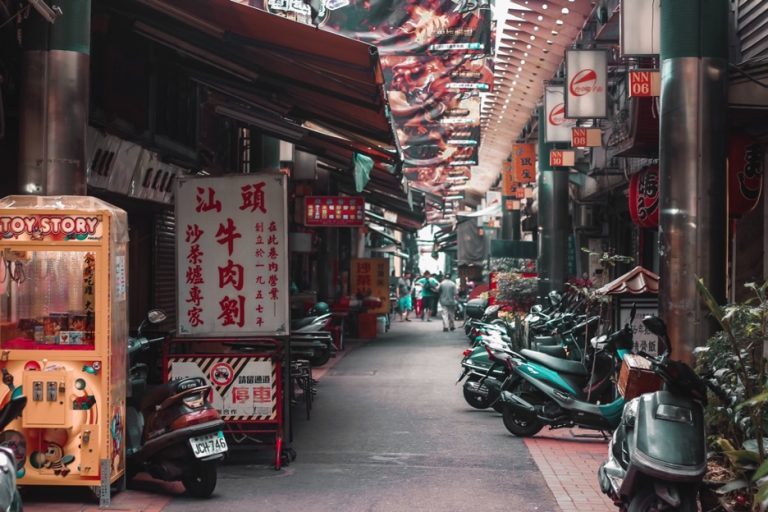
Taipei is truly a magical city with lots of secret spots on every corner. The best way to know such a city is to explore it like a local!
In Lokafy, we connect travelers with knowledgeable locals who are eager to share everything they love about their cities with travelers from around the world.
Our mission is to make travel about people, not just the places. We want you to have a memorable journey by being a part of another culture and live like a local in those few days of your trip.
Book a tour of Taipei or one of the other hundreds of cities we operate in, choose a Lokafyer best suited to your interests, and have an unforgettable trip!